Move More, Sit Less: How Much Exercise Do You Really Need?
Most people who want to exercise but keep putting it off have the same question: how little can I do and still benefit? That’s fair. If you hate doing something, it seems logical that you would try to do as little as possible, even when you know it is good for you, will help you live longer and will lower your risk of disease!
That said, I don’t entirely understand that way of thinking. For me, whether to exercise isn’t really a question. But let’s look at how much exercise you actually need, and what even a few minutes of movement can do.
Clearly, it is better to move than to sit. The data is unambiguous. It has been said that sitting is equal to smoking as a health issue. Being healthy also seems obviously preferable to being unhealthy. At least, that’s how I see it.
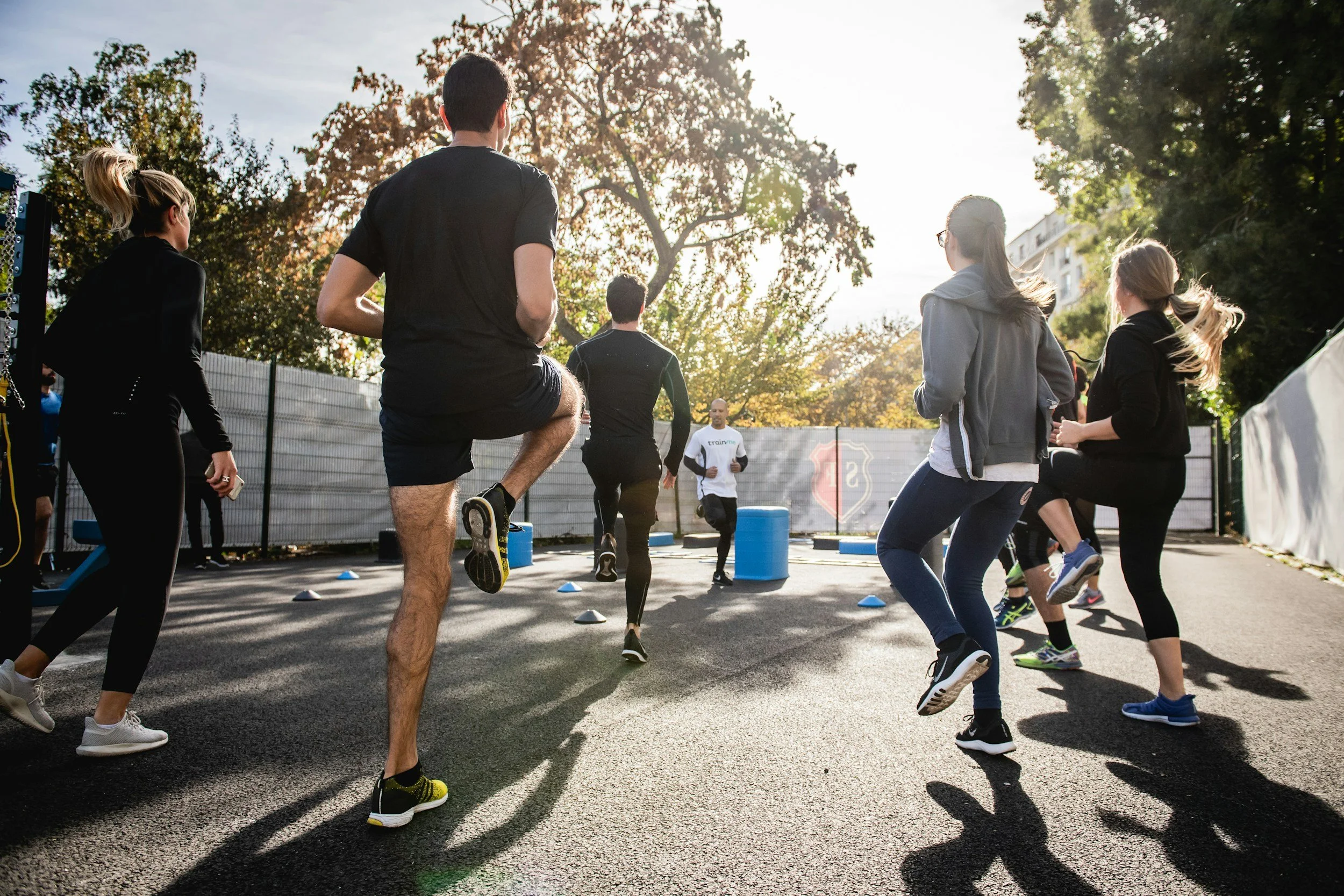
But what if getting started didn’t mean setting aside time for a full workout? What if you simply broke up all that sitting with a few minutes of movement throughout the day? That’s the idea behind movement breaks. Get up, walk around, climb a flight of stairs or do a few squats. Nothing complicated. Just move, and do it regularly.
Let’s be crystal clear about why that matters. Saying that sitting is the new smoking is, at best, an understatement. The strongest “data” from studies to date shows that sedentary people have double the risk of premature death compared to those who move a little. Yes, a little. And those risk factors decrease significantly with increased activity.
This is not new information. But staying active is perhaps one of the most powerful choices you can make for your health, your longevity and even your self-satisfaction in life. Few realize that being active transforms both your mind and your body, offering immediate results and long-term protection against chronic disease.
One of the organs that benefits greatly from exercise is your brain. Yep, that noggin between the ears. And the benefits are immediate too! A single session of moderate to vigorous activity immediately increases blood flow to the brain, improving concentration and cognitive function for hours afterward. It also improves your mood, and not because you’re too tired to be angry either. Exercise triggers the release of endorphins, reducing anxiety, depression and pain. Those endorphins give you that feeling known as runner’s high, so you feel good too. Finally, you sleep better. Exercise helps you fall asleep faster and sleep better through the night.
Obviously, whole-body vibration multiplies those results in a very short time. Over the long term, an exercise habit gives you more energy, reduces your chance of heart disease and stroke, lowers your risk of type II diabetes and reduces the risk of certain cancers too, especially if your vitamin D is in range.
Those are not the only long-term risks that exercise reduces. One of the best benefits of exercise is that it reduces metabolic syndrome. If you haven’t heard of that, here’s what exercise can do: lower blood pressure, bad cholesterol and triglycerides, and reduce your body fat, as long as you modify your diet too. Perhaps most important is the boost to your mitochondrial base, which allows your body to produce enough energy to live. Yeah, pretty important.
If you choose whole-body vibration as your form of exercise, you get the added benefits of stronger bones, slower bone loss and the production of joint synovium, which reduces joint friction and pain. The vibrating plate also improves balance, reducing your risk of falling, and promotes greater longevity.
Take a study reported in October 2025 in Cochrane Reviews. Researchers followed 2,816 older men for 9.3 years. The most sedentary men had the highest death rate, while those who moved more frequently had a 31% lower mortality rate.
Another recent study in The Lancet combined results from 7 studies involving over 40,000 people. This meta-analysis estimated that reducing sedentary time by just 30 minutes per day would prevent 3–7% of all deaths. Yep, I said all. Moreover, 60 minutes of activity per day was associated with a 25% lower risk of death. And I’m not talking about exercise, just moving. Alternating between sitting and standing at a desk does nothing for mortality. Actual movement is required, but not much. Just move.
Many studies show that replacing 30 minutes of sitting with light physical activity reduces all-cause mortality by 14–17%. More vigorous activity reduces mortality by 35–50%. But here’s the thing: you don’t have to do it all at once, and you can vary the activities.
So how much time, or how little, do you need to spend exercising? You might be surprised. I was. Here’s what you need to know: just 4 minutes of vigorous exercise per day cuts your risk of dying from heart disease almost in half (48%).
Of course, most people would also like to lose weight. For that, you need to control what you eat to reduce insulin spikes. However, doing 15 bodyweight squats every 30 minutes cuts your after-meal insulin spike by 37%. Getting up and doing 5 minutes of exercise every half hour can also control your blood sugar levels as effectively as an hour of exercise. Sounds like too much? Well, replacing 30 minutes of sitting with light walking reduces your risk of death by 17%. So, movement is better than sitting.
Of course, short bouts of activity such as walking do little to preserve muscle mass and strength as you age. We know that doing 15 bodyweight squats after eating helps lower blood sugar levels. What many people don’t realize is that it also helps the body use protein better. Compared to uninterrupted sitting, squats improved protein utilization 7.6-fold. This suggests that the body does not use protein properly unless it has been stimulated to need it. Yep, those protein drinks need to go along with exercise.
Most studies on the subject show benefits from short, 10-minute daily bouts of exercise or longer bouts three times per week.
Just 30 minutes of strength training on whole-body vibration, three times per week, is sufficient to stimulate strength gains, slow muscle loss and reduce health risks as you age. In fact, a 30-minute whole-body vibration workout is equivalent to doing three sets of each exercise at a regular health club. That means those 30 minutes are equal to at least an hour at the gym.
A Practical Prescription for Optimal Health
Based on the volumes of research available to date, this would be a reasonable protocol to follow.
Worst-case scenario, if you cannot find time to exercise, set a timer to go off every 30 minutes and do 2–5 minutes of activity. Switch it up: climb a flight of stairs, do 15 bodyweight squats, do 15 wall pushups or try a mix of each. At a minimum, stand for one minute every hour to keep the blood pressure benefits.
Aim for at least 3 bouts of vigorous activity per day. Run some stairs, or spend 1–2 minutes running in place or doing jumping jacks.
The activities in numbers 1 and 2 are additions to your exercise routine, not replacements for it. You are still better off doing 30 minutes on whole-body vibration. Remember, the equivalent at a regular gym is an hour of strength training three times a week. Yes, that takes more time, but if you cannot get to ReVibe, that’s the alternative.
Most importantly, encouraging an unhealthy person to exercise requires patience, empathy and very, very small steps. Bluntly telling someone they need to lose weight or work out will only cause shame and resistance to your “encouragement.” True success comes from focusing on the social parts of a program rather than strict routines, difficult workouts or activities that are easy to fail at.
Tips for Starting a Workout Routine (or Getting Back to It)
Start small. Doing 1–2 minutes of activity every 30 minutes is a great way to start. Keep in mind that these kind of lifestyle changes are better performed with an accountability partner. So, find someone to join you. A flight of stairs, 15 squats, whatever it takes, but do it with someone else.
Make it fun. Start with things you enjoy: dancing, hiking or walking the dog. Do it with a friend you hold accountable, and expect them to do the same for you.
If you go to a gym, go with others rather than alone. At ReVibe, we keep it social and fun, and we take it slow. Exercise should never be a burden; it should always be enjoyable.
Recognize and praise both your own successes and your exercise partner’s. Make it a team effort with team goals and team rewards.
If you miss a session, don’t get negative. Just show up next time.
Before you go all in, remember that whatever you choose needs to be sustainable. It shouldn’t be difficult to maintain.
Understand that exercise will not burn off bad food choices. Gradually adjust your diet by cutting back on sugars, sweeteners and processed carbs. Focus instead on vegetables and healthy meats.
Have fun, enjoy the process and enjoy how healthy feels. If you get lost, ask a trainer for help or come see us at ReVibe. We know the keys to great health.
Stay Strong, Stay Healthy